
Change, ambiguous loss, and spoons
Navigating Life's Challenges
Change is a constant in life. Whether it’s a global event, a personal health journey, or an unexpected disruption, we are often forced to adapt to new realities, sometimes at a moment’s notice. For many, this process is exhausting, especially when the change is unwelcome or feels beyond our control.
After my brain injury, I struggled to accept that my life had changed. I resisted it, fighting to return to the way things were. It was draining. If this sounds familiar, you’re not alone. Many of us face moments where life shifts abruptly, leaving us feeling overwhelmed and depleted.
Spoon theory: Understanding Energy and Willpower
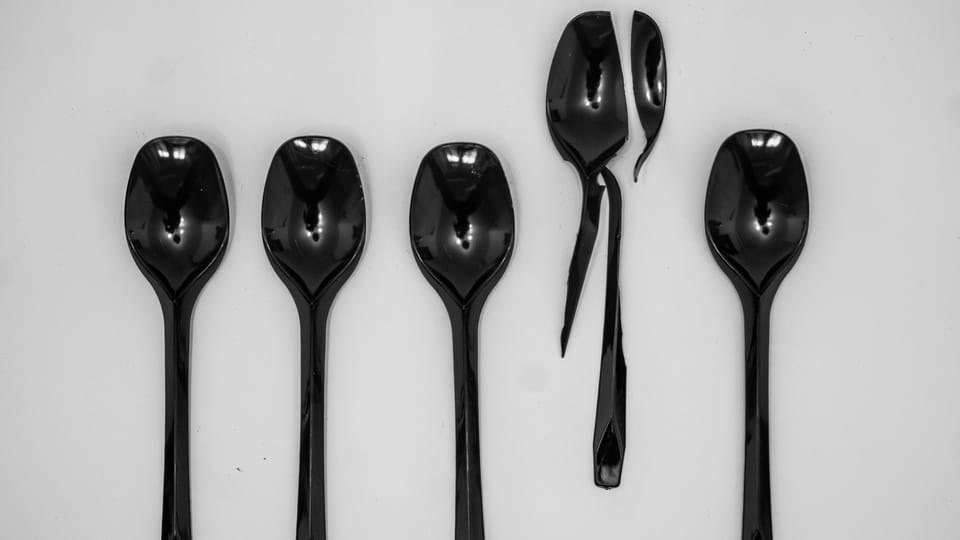
Years ago, I discovered spoon theory, a metaphor used to explain the limited energy people with disabilities, chronic illnesses, or brain injuries have each day. Imagine your energy as a set number of spoons. Every task: getting out of bed, attending a meeting, or even making a decision; uses up a spoon. Once your spoons are gone, they’re gone.
This theory isn’t just for those with health challenges. Psychologist Roy Baumeister describes willpower as a finite resource, something we all must manage wisely. When life throws constant changes at us, we spend our spoons just trying to keep up. For those managing chronic conditions like PKU or recovering from a brain injury, the daily cost of spoons is even higher.
Ambiguous Loss: The Weight of What’s Missing
Change often brings loss, not just the loss of a person, but the loss of normalcy, routine, or the life we envisioned. This is called ambiguous loss, a feeling of grief for something intangible yet deeply felt. It might be the loss of small freedoms, like gathering with friends without worry, or the cumulative weight of tiny disappointments.
These losses add up. A single straw doesn’t break the camel’s back, but a pile of them can. Recognising ambiguous loss helps us validate our feelings and understand why we might feel drained, even when it seems like “nothing much” has happened.
Embracing the New Normal—Whatever It May Be
Adapting to change doesn’t mean giving up on the past. It means finding ways to move forward while acknowledging the challenges. Here’s how you can start:
- Acknowledge Your Spoons: Track your energy levels and prioritize tasks that truly matter.
- Name the Loss: Give yourself permission to grieve what’s changed, even if it’s not tangible.
- Create Small Wins: Celebrate tiny victories—they add up to big progress over time.
- Ask for Help: You don’t have to navigate this alone. Reach out to friends, family, or support groups.
Your Story Matters
Change is universal, but how we experience it is deeply personal. If spoon theory or ambiguous loss resonates with you, I’d love to hear your story.
How do you manage your spoons? What losses have you navigated? Share in the comments or get in touch.
 Pauline
Member discussion